

Residential Services
Safe, supportive homes designed for independence, dignity, and everyday life.
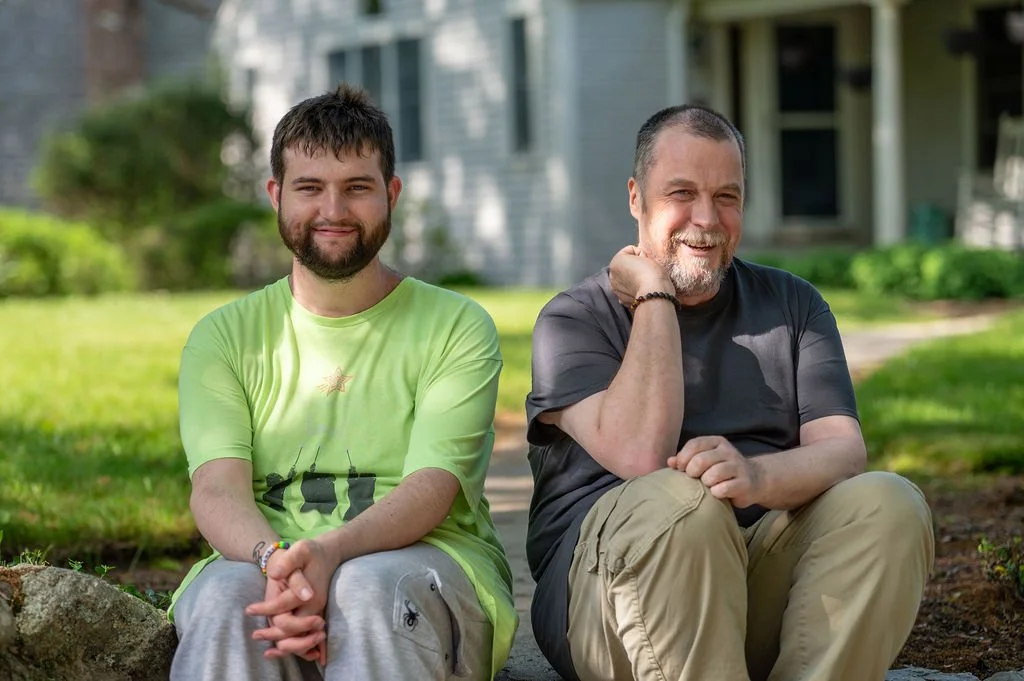
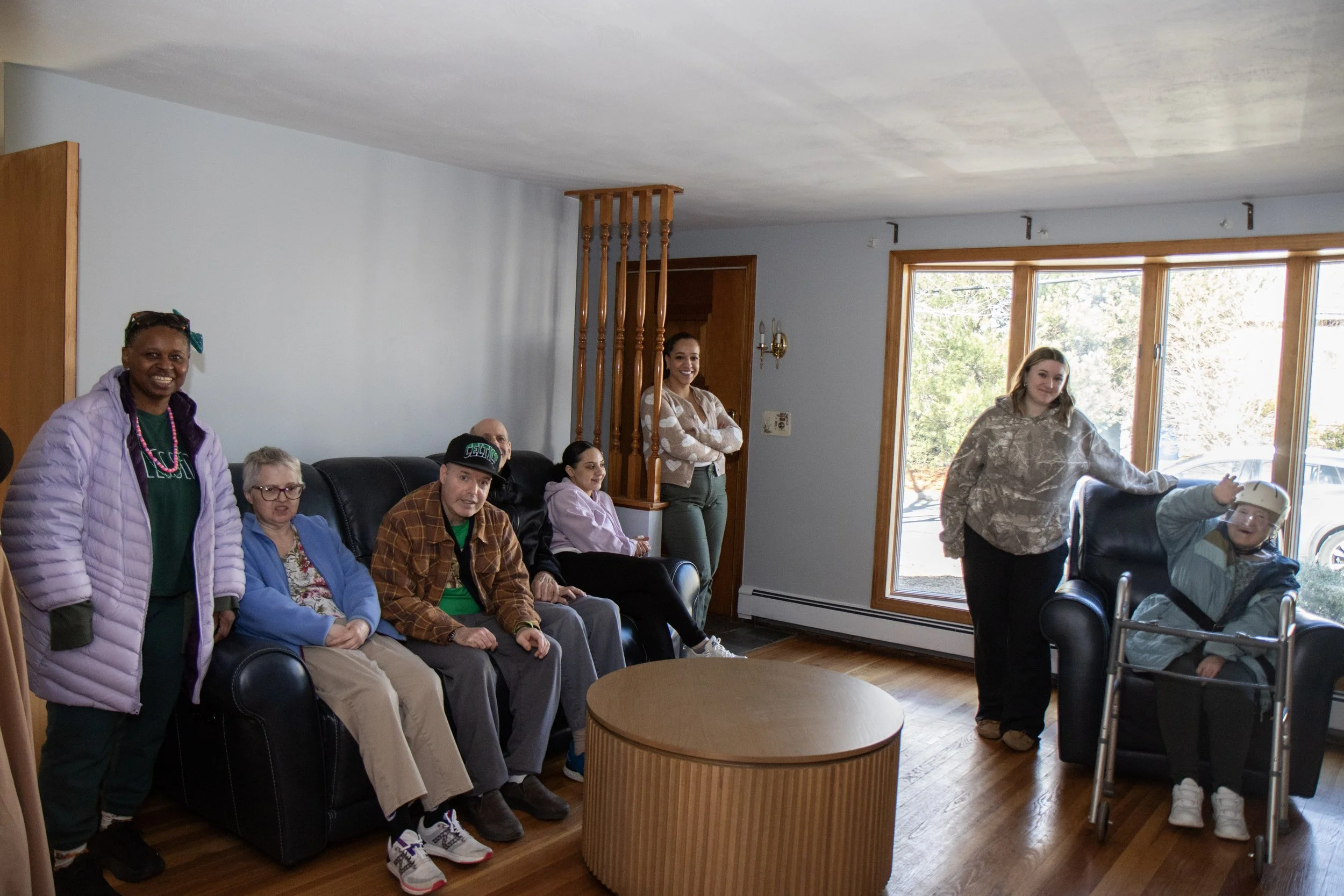
RTR’s residential services provide welcoming homes where individuals receive personalized support tailored to their unique needs. With 24-hour staffing and a focus on independence, our homes offer stability, connection, and opportunities to thrive.
What Residential Services Include
Residential services are more than support — they’re about creating a true sense of home.
24/7 trained and compassionate staff
Individualized care and support plans
Assistance with daily living activities
Life skills development to support independence
Community engagement and social opportunities
Health, wellness, and behavioral support
All services are tailored to each individual’s needs and goals.
Who This Program Supports
Residential services are designed for:
Adults with intellectual and developmental disabilities
Those who benefit from 24-hour support and supervision
People seeking a structured, community-based living environment
Those looking to build independence while receiving ongoing support
Where We’re Located
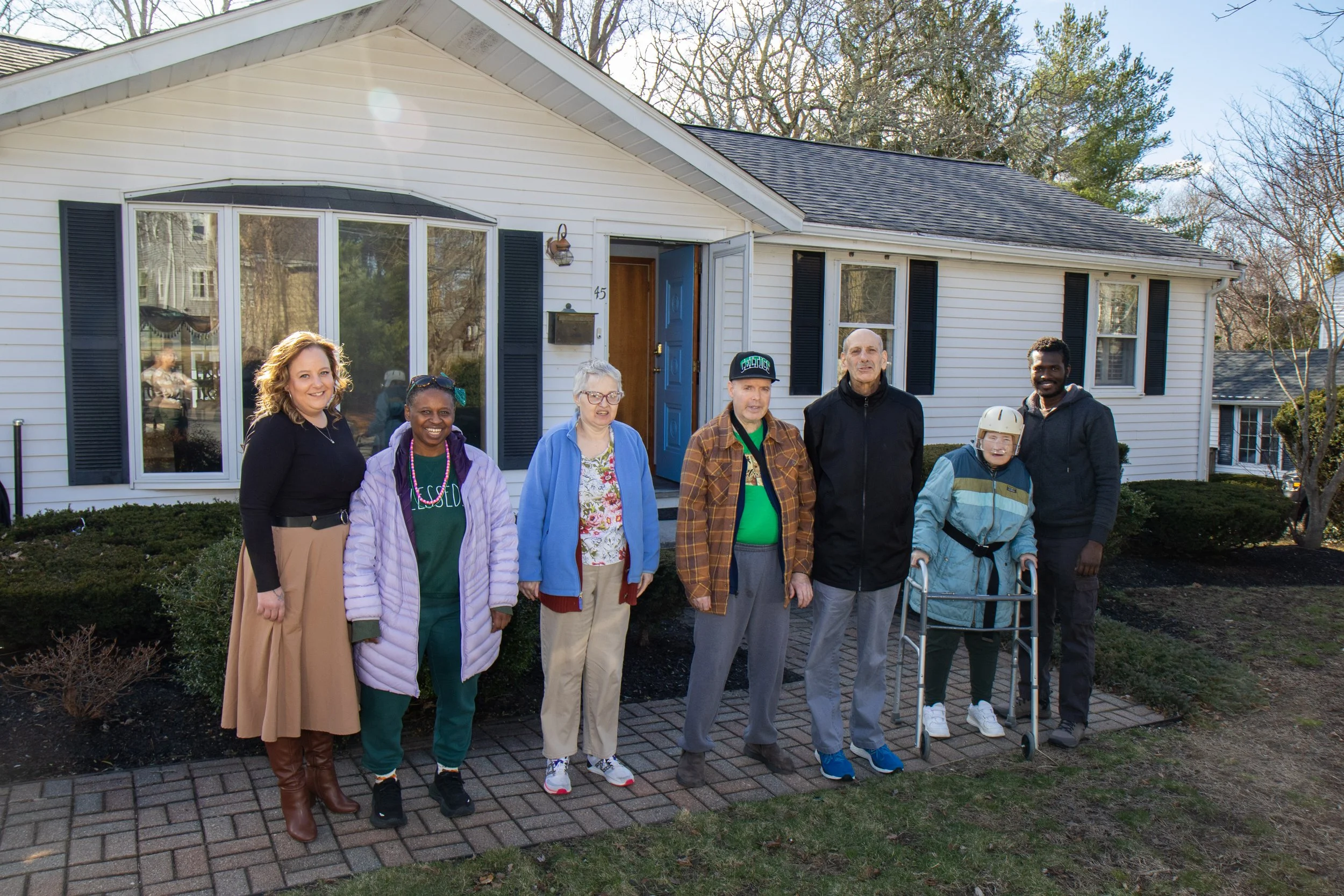
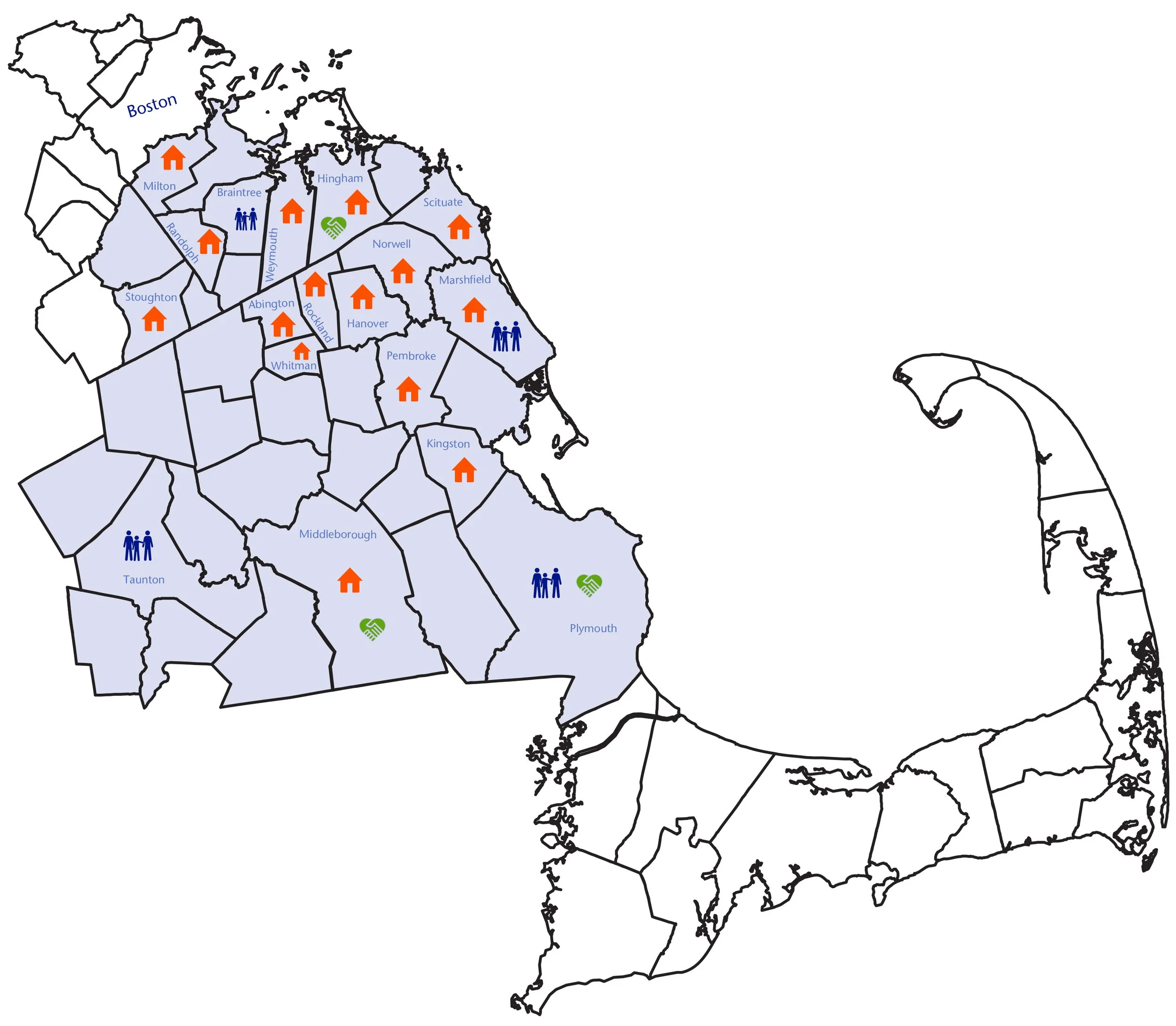
RTR operates 52 group homes across Southeastern Massachusetts—from Milton to Plymouth and west to the Taunton area.
With homes located across the region, we’re able to support individuals in a wide range of communities.
Your Questions, Answered
Have questions? We’re here to help.
-
RTR offers several housing options to meet the diverse needs of the individuals we support, including 24-hour staffed group homes, independent cooperative living arrangements, and shared living settings.
-
RTR serves adults age 22 and older who are eligible for services through the Department of Developmental Services (DDS). Eligibility and residential placements are coordinated through DDS based on an individual’s needs, available supports, and service eligibility requirements.
Learn more about DDS eligibility and services here: https://www.mass.gov/orgs/department-of-developmental-services
-
RTR offers a range of residential support options based on each individual’s needs, goals, and level of independence. This may include 24-hour staffed residential homes, as well as more independent living arrangements with varying levels of support.
Individuals may also receive clinical, behavioral, and medical supports as needed. Services are personalized through the Individual Support Plan (ISP) process, where individuals help identify goals, preferences, and support needs, with opportunities to advocate for themselves throughout the year.
-
RTR works to make residential placements as supportive and comfortable as possible for everyone involved. Whenever possible, factors such as individual needs, personalities, communication styles, interests, and support requirements are considered during the placement process.
Prior to moving in, individuals and families have opportunities to visit the home, meet staff, and get to know potential housemates. Because residential availability and support needs can vary, placements are individualized and may evolve over time to best support each person’s well-being and success.
-
Yes. Family and friends are welcome to visit, and individuals are encouraged to maintain meaningful connections both at home and in the community. RTR supports individuals in participating in community outings, activities, and visits with family and friends based on their individual needs and level of independence.
Support levels vary from person to person. Some individuals may participate independently, while others may receive staff support or transportation assistance as needed. RTR also works with individuals to help build independence and community involvement whenever possible.
-
Residential placement opportunities are typically coordinated through the Department of Developmental Services (DDS). When RTR receives a referral, our team carefully reviews the individual’s needs, support requirements, and the services available within the program to determine whether the placement would be a good fit.
Placement timing can vary based on individual circumstances, program availability, and support needs. Some individuals may transition into residential services at age 22, while others may seek support later in adulthood or transition from another provider or living arrangement.
Take the Next Step
Whether you’re exploring options for yourself or a loved one, our team is here to guide you every step of the way.